The Hidden Winter Damage Nobody Talks About
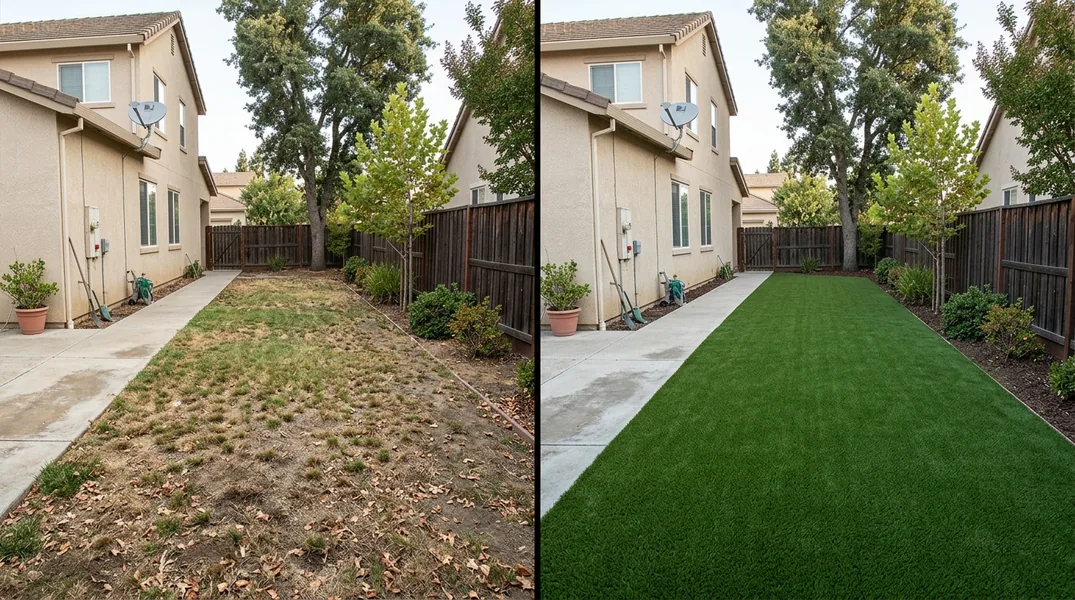
When homeowners invest in Residential Artificial Grass Installation, they often expect a worry-free landscape for years to come. However, Sacramento residents discover each winter that artificial turf faces unique challenges that natural grass simply doesn't encounter. One of the most frustrating issues homeowners face is melted artificial grass, a problem that catches many people off guard.
The culprit behind these mysterious melted spots isn't always what you'd expect. While extreme heat is commonly blamed, winter damage often stems from an entirely different source: concentrated sunlight reflecting off windows, skylights, or other glass surfaces on your home. When winter sun hits these reflective surfaces at just the right angle, it concentrates rays onto your turf below, creating intense heat pockets that can melt the synthetic fibers. This phenomenon doesn't require scorching summer temperatures, making it a particularly sneaky problem during the cooler months when homeowners least expect turf damage.
Understanding Window Reflection Turf Damage
Window reflection turf damage is one of the most underestimated threats to artificial grass in residential settings. Unlike traditional lawn care problems, this issue is purely a function of your home's architecture and the angle of the sun. During winter months in Carmichael and surrounding areas, the lower sun angle creates the perfect conditions for light to bounce off windows and concentrate on turf areas below. Homeowners often don't realize the damage is happening until they notice a distinct melted patch that looks nothing like normal wear and tear.
The science behind this damage is straightforward. Glass acts as a lens, focusing sunlight into concentrated beams. When these beams hit artificial grass fibers, which are made from heat-sensitive synthetic materials like polyethylene or polypropylene, the fibers begin to soften and melt. The damage typically appears as a defined, often circular or oval patch with discolored or flattened fibers. What makes window reflection damage particularly frustrating is that it's often not covered under standard warranties, since it's technically caused by an external factor rather than a manufacturing defect. This is why understanding prevention and early repair is critical for protecting your investment.
Winter Storms and Freeze-Thaw Damage to Your Turf
Beyond window reflections, winter storms in Arden-Arcade and throughout the region create their own set of challenges for artificial grass. While synthetic turf handles snow and ice better than natural grass, the freeze-thaw cycle can cause unexpected problems. When moisture accumulates on the turf surface and then freezes, it can create ice buildup that damages the blade structure. As temperatures fluctuate, the grass fibers expand and contract, potentially loosening the stitching or causing the backing to shift.
Heavy, wet snow is particularly problematic for artificial turf installations. The weight of accumulated snow can compress the turf fibers, and if the snow melts unevenly, it can leave depressed areas that don't spring back to their original height. Additionally, salt and de-icing chemicals used on nearby driveways or walkways can migrate onto your turf, potentially degrading the backing material and infill over time. These winter-specific issues are why regular inspection during and after storm season is essential. If you notice any areas where your turf isn't bouncing back or shows signs of compression, it's time to contact a professional for turf repair before the damage becomes more extensive.
Artificial Turf Repair Near Me: When to Call a Professional
Recognizing when your artificial grass needs professional attention is the first step toward protecting your investment. Minor surface debris or temporary discoloration might resolve on its own, but melted spots, compressed areas, or backing damage require expert intervention. If you're searching for 'artificial turf repair near me' because you've noticed damage on your property, you're already ahead of the curve. Many homeowners wait too long, hoping the damage will improve, only to find that early intervention could have prevented further deterioration.
Sacramento Turf Installation specializes in identifying and repairing all types of artificial grass damage, including window reflection melting, storm damage, and general wear. Our team understands the specific challenges that artificial turf faces in the Sacramento climate, and we know how to assess whether a repair is possible or if a section of turf needs replacement. Some damage, like minor melting on the surface, can sometimes be repaired by carefully trimming or restacking fibers. Other damage, particularly if it affects the backing or extends deep into the infill, typically requires removing and replacing that section of turf. Calling professionals early means you're more likely to catch damage when repair options are still available. To discuss your specific situation, contact us at (279) 264-1603 for a free estimate.
Prevention Strategies for Winter Turf Protection
While some damage is unavoidable, several prevention strategies can significantly reduce your risk of winter-related turf problems. For window reflection damage specifically, consider installing window treatments or shade structures that reduce the angle of reflected light during peak winter months. Temporary shade cloth or even strategically placed planters can interrupt the light path before it reaches your turf. If you're planning a new Residential Artificial Grass Installation, discuss these potential reflection points with your installer so they can recommend turf placement and type accordingly.
For freeze-thaw and storm damage prevention, ensure your turf has proper drainage. Standing water is the enemy during winter because it creates the conditions for ice formation and backing deterioration. Regular brushing and maintenance help keep infill distributed evenly, which improves drainage and prevents compression damage. After heavy snow, gently brush accumulated snow off the turf rather than letting it sit for extended periods. Avoid using salt-based de-icers on or near your artificial grass, and if they're used on adjacent surfaces, rinse the turf area with fresh water to minimize chemical exposure. These proactive steps can extend the life of your turf and prevent costly repairs down the road.
Turf Repair Costs and When Replacement Makes Sense
Understanding the financial implications of turf damage helps homeowners make informed decisions about repair versus replacement. Small, localized melted spots might cost significantly less to repair than replacing an entire section, while extensive damage across multiple areas might make full replacement more economical. The pricing for turf repair depends on the size of the damaged area, the depth of damage, and whether the backing or infill has been compromised. At Sacramento Turf Installation, we provide transparent estimates so you understand exactly what you're paying for and why.
Replacement of a damaged section typically involves removing the affected turf, preparing the base, and installing new turf that matches your existing installation. While this sounds straightforward, proper seaming and infill distribution are critical to ensuring the repaired area looks and performs like the rest of your lawn. If your turf is aging or if damage is extensive, this might be an opportunity to upgrade to a higher-quality artificial grass product. Whatever your situation, getting a professional assessment is the best way to understand your options and make a decision that fits your budget and long-term goals. Reach out to Sacramento Turf Installation at (279) 264-1603 to discuss your repair needs and get a detailed estimate for restoring your lawn to its original condition.
Looking for a professional artificial grass installation company in Sacramento? Sacramento Turf Installation responds fast for all your artificial grass installation needs.
Get a Free Quote